
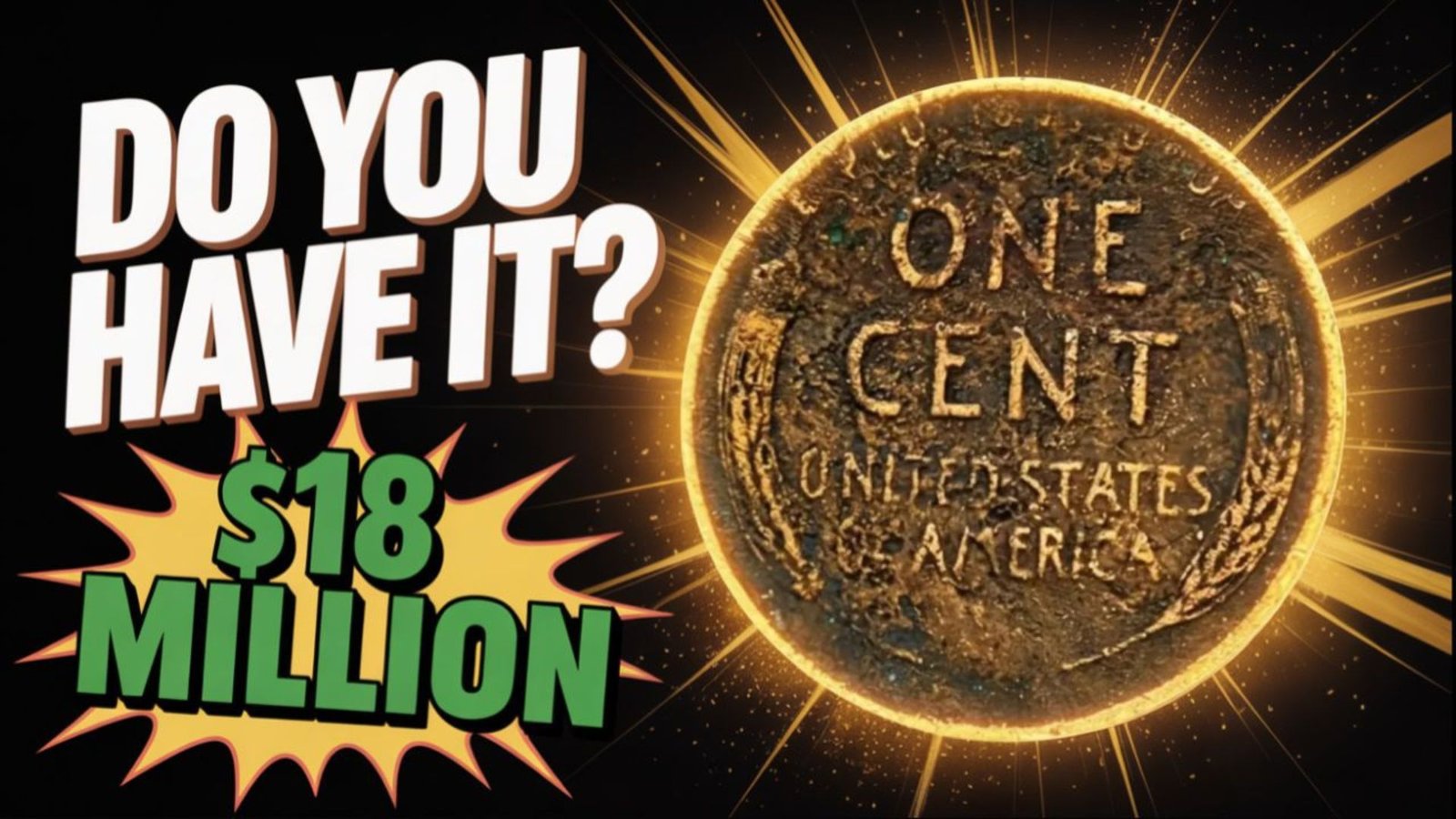
Could that old penny in your drawer be worth hundreds—or even thousands? Over the past decade, Wheat Pennies have quietly climbed in value, surprising even seasoned collectors. This simple one-cent coin has turned into a small treasure hunt, with prices fluctuating dramatically based on rarity, mint mark, and condition. By the end of this guide, you’ll know exactly which ones to keep and why they’re worth so much.
What Are Wheat Pennies?
Wheat Pennies, officially known as Lincoln Wheat Cents, were minted between 1909 and 1958. Named for the two wheat stalks engraved on the reverse side, these coins were the first US cents to feature President Abraham Lincoln. What makes them fascinating is that millions were made, yet a few rare varieties now fetch staggering prices.
A Brief History of Wheat Pennies

The Wheat Penny was introduced in 1909 to celebrate Lincoln’s 100th birthday. Designed by Victor D. Brenner, the coin replaced the Indian Head cent. It quickly became a symbol of American pride—but also of changing times. During World War II, the US Mint even used steel instead of copper in 1943 to save metal for the war effort, creating one of the most famous collectible errors in coin history.
Why Wheat Pennies Have Become Valuable Today
Over the last 11 years, the value of Wheat Pennies has grown steadily as more collectors entered the market and high-grade examples became scarce. Key dates like the 1909-S VDB, 1914-D, and 1943 Copper Penny have seen record-breaking auction results. What was once worth just one cent now commands hundreds or even thousands of dollars.
Top Valuable Wheat Pennies (Past 11 Years Average)
| Coin Type | Year | Mint Mark | Average Value (2024-2025) | Historical Peak |
|---|---|---|---|---|
| 1909-S VDB | 1909 | San Francisco | $700–$2,000 | $3,500 |
| 1914-D | 1914 | Denver | $350–$2,500 | $3,200 |
| 1922 No D | 1922 | Denver (Error) | $400–$1,800 | $2,200 |
| 1943 Copper | 1943 | Philadelphia | $150,000–$250,000 | $1,000,000+ |
| 1955 Doubled Die | 1955 | Philadelphia | $1,000–$3,000 | $3,500 |
| 1944 Steel | 1944 | Philadelphia | $50,000–$150,000 | $200,000+ |
| 1931-S | 1931 | San Francisco | $50–$150 | $250 |
| 1917 Doubled Die | 1917 | Philadelphia | $400–$1,200 | $2,000 |
| 1926-S | 1926 | San Francisco | $30–$200 | $500 |
| 1958 Doubled Die | 1958 | Philadelphia | $150,000+ | $200,000+ |
The Value Journey: 2014–2025 Trends
Between 2014 and 2025, the coin market saw dramatic increases in collectible penny prices. While gold and silver values fluctuated, rare Wheat Pennies stayed consistently strong. Online marketplaces and grading services like PCGS and NGC further boosted confidence, allowing collectors to verify authenticity and condition.
Wheat Penny Value Growth (2014–2025)
| Year | Average Increase (%) | Key Market Influence |
|---|---|---|
| 2014 | +5% | Rising collector interest |
| 2016 | +8% | Metal price stability |
| 2018 | +12% | Growth in error coin demand |
| 2020 | +20% | Pandemic-era collectibles boom |
| 2022 | +15% | Online auction surge |
| 2024 | +10% | Renewed interest in classic US coins |
Expert Tips for Collectors

1. Focus on Condition: Higher-grade Wheat Pennies (especially uncirculated) are worth significantly more.
2. Watch for Key Dates: Coins like 1909-S VDB, 1914-D, and 1955 Doubled Die are essential for any serious collection.
3. Verify Authenticity: Many fakes exist, especially of rare varieties. Use certified grading from PCGS or NGC.
4. Store Properly: Avoid touching coins with bare hands—use gloves and airtight containers to preserve value.
FAQs About Wheat Pennies
Q: What is the rarest Wheat Penny?
A: The 1943 Copper Penny is among the rarest, with only a few dozen known to exist.
Q: Are all Wheat Pennies valuable?
A: No. Most common-date Wheat Pennies are worth only a few cents unless in pristine condition.

Q: How can I check my coin’s value?
A: Compare it with verified auction results or submit it for professional grading.
The Hidden Value in Everyday Coins
The story of Wheat Pennies is a story of patience and discovery. Over the past 11 years, their values have soared, proving that even the smallest pieces of metal can carry incredible history and financial worth. Whether you’re a casual hobbyist or a serious collector, keep your eyes open—you might just hold a piece of American treasure.