
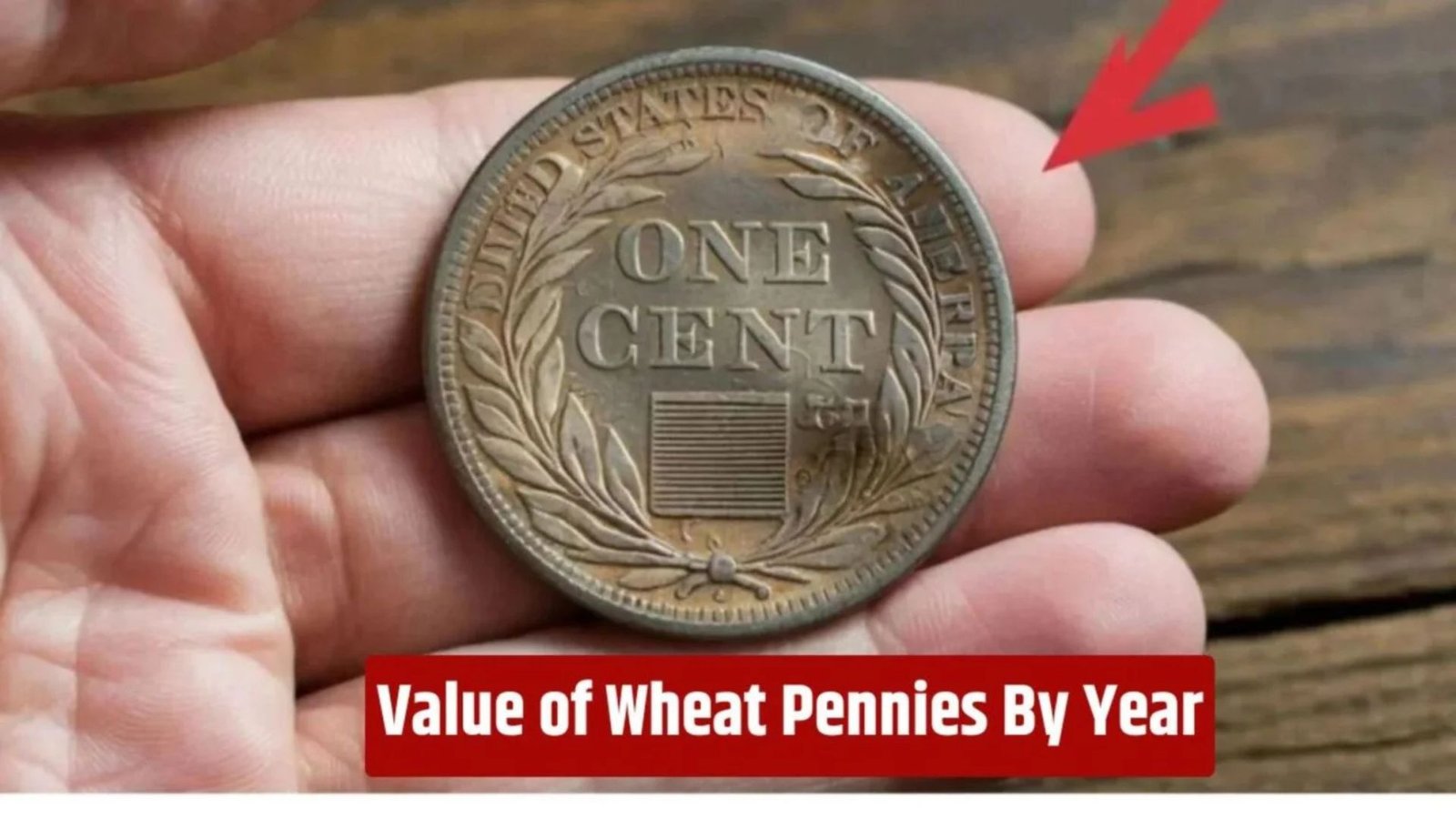
Wheat pennies, those iconic U.S. coins minted between 1909 and 1958, are a treasure for collectors due to their history, rarity, and value. Whether you’re a seasoned collector or just starting, understanding the value of wheat pennies by year can help you spot valuable coins and avoid common pitfalls. This guide breaks down everything you need to know in simple terms, with tips to maximize your collection’s worth.
Why Are Wheat Pennies So Special?
Wheat pennies, officially called Lincoln Wheat Cents, were designed by Victor David Brenner to honor Abraham Lincoln’s 100th birthday in 1909. The coins feature Lincoln’s portrait on the front and two wheat stalks on the back, giving them their nickname. Their value comes from factors like rarity, condition, and historical significance. Some wheat pennies are worth just a few cents, while others fetch thousands at auctions.

Collectors love wheat pennies because they’re affordable to start collecting, yet certain years and mint marks hold incredible value. Let’s explore how to evaluate their worth and which years to watch for.
Factors That Affect Wheat Penny Values
Several elements determine a wheat penny’s value. Understanding these can help you decide which coins to keep or sell.
1. Year of Minting
The year on the coin is critical. Some years, like 1909 or 1943, produced rare varieties that are highly sought after. Others, like 1945, were minted in large quantities, making them less valuable.
2. Mint Mark

Mint marks (small letters on the coin) show where the penny was made:
- No mark: Philadelphia
- D: Denver
- S: San Francisco
Coins from certain mints, like the 1909-S, are rarer and more valuable due to lower production numbers.
3. Condition (Grade)
A coin’s condition, or grade, is rated on a scale from Poor (P-1) to Mint State (MS-70). Coins in excellent condition (higher grades) are worth more. Look for clear details, minimal wear, and no damage.
4. Rarity and Errors

Some wheat pennies have errors, like double-die strikes (where the design appears doubled) or unique metal compositions. These errors can make a penny worth thousands.
Wheat Penny Values by Year: A Detailed Breakdown
Here’s a look at key wheat penny years and their estimated values based on condition and rarity. Values are approximate and can vary depending on the coin’s grade and market demand.
| Year | Mint Mark | Key Features | Value Range (Good to Mint State) |
|---|---|---|---|
| 1909-S | S | First year, VDB initials | $100 – $2,000+ |
| 1909-S VDB | S | Rare, designer’s initials | $600 – $10,000+ |
| 1914-D | D | Low mintage | $150 – $7,000+ |
| 1922-D | D | No Denver mint mark error | $500 – $20,000+ |
| 1931-S | S | Low mintage | $50 – $500+ |
| 1943 | None | Bronze error (not steel) | $10,000 – $1,000,000+ |
| 1943-S | S | Steel, rare bronze error | $500 – $500,000+ |
| 1944-D/S | D/S | Over mint mark error | $75 – $1,000+ |
| 1955 | None | Double-die error | $800 – $25,000+ |
Notable Years to Watch For
- 1909-S VDB: Only 484,000 were minted, and the designer’s initials (VDB) make it a collector’s gem.
- 1914-D: With just 1.2 million produced, it’s a rare find in good condition.
- 1943 Bronze: Most 1943 pennies were steel due to wartime copper shortages, but a few bronze errors exist, making them extremely valuable.
- 1955 Double Die: This error creates a noticeable doubling of the date and lettering, driving up its value.
How to Find Valuable Wheat Pennies
Ready to start hunting for wheat pennies? Here are practical tips to build a valuable collection:
1. Check Your Change
Believe it or not, wheat pennies still show up in circulation. Look through pocket change, coin rolls from banks, or old jars at home.
2. Visit Coin Shops or Shows
Local coin shops and numismatic shows are great places to find wheat pennies. Dealers often have rare varieties or high-grade coins.
3. Buy Rolls or Bags
Purchasing uncirculated rolls or bags of wheat pennies from reputable dealers can increase your chances of finding gems. Be cautious of scams, though—always buy from trusted sources.
4. Use a Magnifying Glass
Examine coins for mint marks, errors, or wear. A 10x magnifying glass can help spot details like double-die errors.
5. Get Coins Graded
Professional grading services like PCGS or NGC can certify a coin’s condition and authenticity, boosting its value.
Tips to Maximize Your Collection’s Value
To ensure your wheat pennies retain or grow in value, follow these steps:
- Store Properly: Keep coins in protective holders or albums to prevent scratches and tarnish.
- Avoid Cleaning: Cleaning coins can damage them and lower their value. Leave them as is.
- Stay Informed: Follow coin market trends on websites like PCGS, NGC, or auction sites to know current values.
- Focus on Key Dates: Prioritize rare years like 1909-S VDB, 1914-D, or 1943 bronze errors.
Common Mistakes to Avoid
New collectors often make these errors, which can cost them money:
- Overpaying: Research market prices before buying to avoid inflated costs.
- Ignoring Condition: A worn-out rare penny is worth less than a well-preserved common one.
- Falling for Fakes: Counterfeit 1943 bronze pennies exist. Verify authenticity with experts.
- Neglecting Storage: Poor storage can ruin a coin’s condition and value.
Where to Sell Your Wheat Pennies
If you’re ready to sell, here are the best options:
- Auction Houses: Reputable houses like Heritage Auctions or Stack’s Bowers handle high-value coins.
- Online Marketplaces: Platforms like eBay or Etsy are good for common pennies, but watch for fees.
- Coin Dealers: Local or online dealers offer quick sales, though prices may be lower than auctions.
- Coin Shows: Sell directly to collectors or dealers for potentially better deals.
Always get multiple offers to ensure you’re getting a fair price.
Why Start Collecting Wheat Pennies Today?
Wheat pennies are a fantastic entry point into coin collecting. They’re affordable, widely available, and have a rich history. Plus, the thrill of finding a rare 1909-S VDB or 1943 bronze penny is unmatched! By focusing on key years, checking conditions, and storing coins properly, you can build a collection that’s both fun and potentially profitable.
Final Thoughts
Collecting wheat pennies is more than a hobby—it’s a journey through American history. By understanding the value of wheat pennies by year, you can make smart choices and avoid costly mistakes. Start small, focus on rare dates like 1909-S VDB or 1943 bronze, and always prioritize condition. With patience and knowledge, your collection could become a valuable asset.