
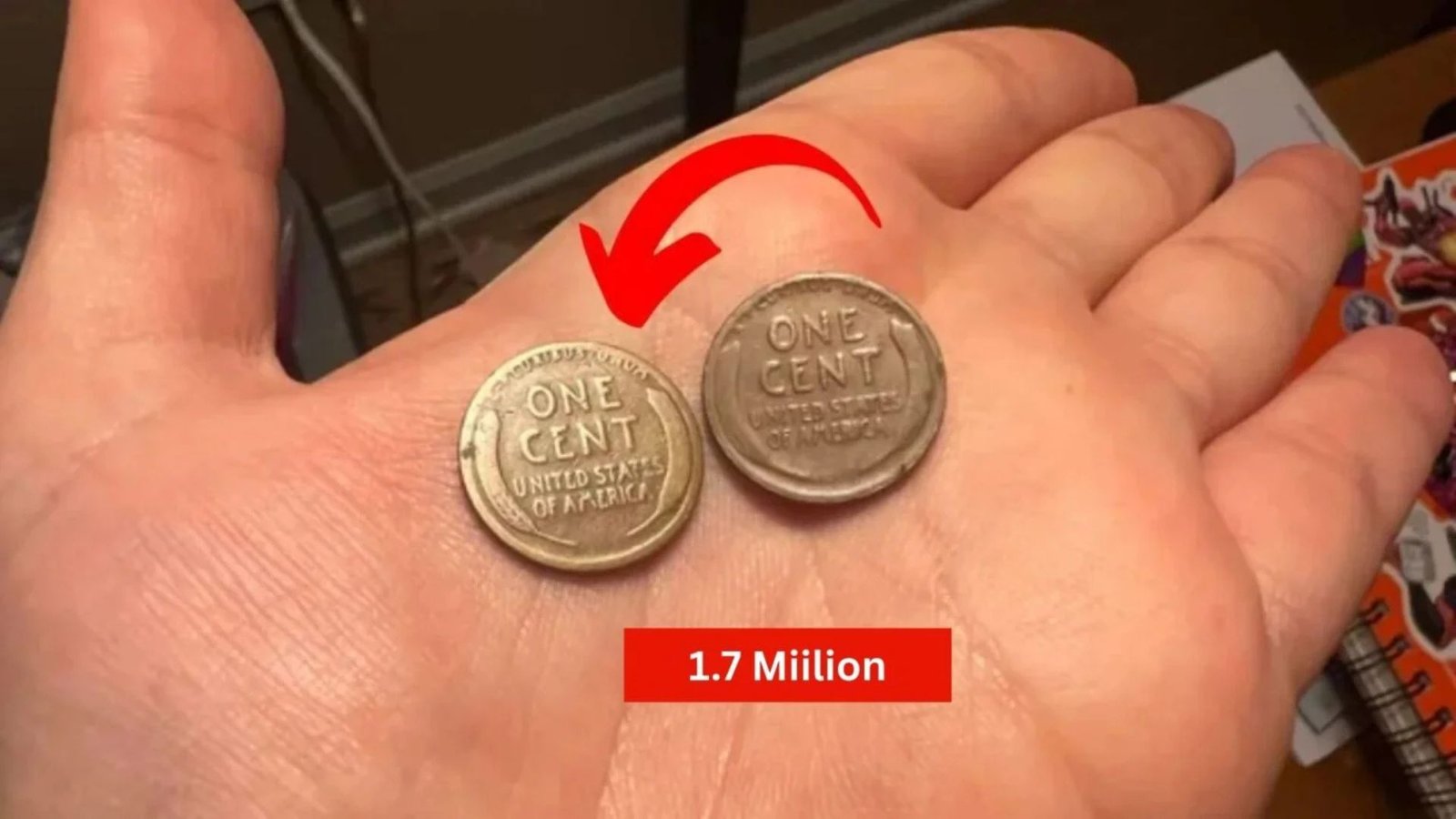
Imagine finding a penny in your pocket worth $1.7 million! The Lincoln Wheat Penny, a small coin with a big story, has collectors buzzing. Some rare versions of this penny are still out there, waiting to be discovered. In this article, we’ll dive into the fascinating world of the Lincoln Wheat Penny, its history, what makes it so valuable, and how you might spot one. Let’s explore why this tiny coin could turn your spare change into a fortune.
What Is the Lincoln Wheat Penny?
The Lincoln Wheat Penny is a U.S. one-cent coin minted from 1909 to 1958. Designed by Victor David Brenner, it features President Abraham Lincoln’s profile on the front and two wheat stalks on the back, giving it the nickname “Wheat Penny.” This coin was the first to honor a U.S. president and became a collector’s favorite due to its unique design and rare varieties.

While most Wheat Pennies are worth just a few cents, certain rare ones can fetch millions at auctions. Their value depends on factors like minting errors, rarity, and condition.
Why Is the Lincoln Wheat Penny So Valuable?
Some Lincoln Wheat Pennies are worth a fortune because of their rarity and historical significance. Here’s why these coins are so special:
1. Rare Minting Errors
Minting mistakes, like double-struck designs or wrong metal usage, make some pennies extremely valuable. For example, the 1943 Bronze Wheat Penny was accidentally made with bronze instead of steel, making it one of the rarest coins ever.
2. Limited Production Years

Certain years, like 1909-S and 1914-D, had low mintage numbers, meaning fewer coins were made. This scarcity drives up their value among collectors.
3. Condition Matters
Coins in excellent condition, graded as “Mint State” by professionals, are worth much more. A penny with sharp details and no wear can command top dollar.
4. Historical Appeal
The Lincoln Wheat Penny carries a piece of American history, making it a treasure for collectors who value its connection to the past.
Top 5 Most Valuable Lincoln Wheat Pennies

Here’s a table of the most sought-after Lincoln Wheat Pennies, their key features, and their estimated values:
| Year | Mint Mark | Key Feature | Estimated Value |
|---|---|---|---|
| 1943 | None (Philadelphia) | Bronze (not steel) | Up to $1.7 million |
| 1909-S | S | VDB initials | Up to $100,000 |
| 1914-D | D | Low mintage | Up to $150,000 |
| 1922 | None | No “D” mint mark | Up to $20,000 |
| 1955 | None | Double Die | Up to $125,000 |
How to Spot a Valuable Lincoln Wheat Penny
Think you might have a Lincoln Wheat Penny worth millions? Here’s how to check your pocket change:
Step 1: Look at the Date and Mint Mark
Check the year on the front of the penny. Look for a mint mark (a small letter like “S” or “D”) under the date. Coins from San Francisco (“S”) or Denver (“D”) are often rarer than those from Philadelphia (no mint mark).
Step 2: Inspect for Errors
Look for unusual features, like doubled letters or numbers, or a strange color. For example, most 1943 pennies are silver-colored steel, but a bronze one is a jackpot.
Step 3: Check the Condition
A shiny, unworn penny is more valuable. Avoid cleaning your coin, as it can lower its value. Professional grading services, like PCGS or NGC, can assess its condition.
Step 4: Research Key Varieties
Focus on rare years like 1909-S, 1914-D, 1922, 1943, or 1955. The 1943 Bronze Penny and 1955 Double Die are especially famous for their high value.
The $1.7 Million 1943 Bronze Penny
The 1943 Bronze Lincoln Wheat Penny is the holy grail for collectors. During World War II, pennies were made of steel to save copper for the war effort. However, a few bronze pennies were mistakenly minted in 1943, making them incredibly rare. One sold for $1.7 million at auction, and only a handful are known to exist.
Could one be hiding in your change? It’s rare, but not impossible, as these coins are still in circulation.
Tips for Collecting Lincoln Wheat Pennies
Ready to start hunting for a valuable Lincoln Wheat Penny? Here are some tips to get you started:
- Check Your Change: Look through pocket change, old jars, or inherited coin collections.
- Visit Coin Shops: Local coin dealers often have Wheat Pennies for sale or can help identify valuable ones.
- Attend Coin Shows: These events are great for finding rare coins and learning from experts.
- Use a Magnifying Glass: Small details, like mint marks or errors, are easier to spot with magnification.
- Get Coins Graded: Professional grading ensures authenticity and maximizes value.
Where to Sell a Valuable Lincoln Wheat Penny
Found a rare Lincoln Wheat Penny? Here’s how to cash in:
- Get It Authenticated: Take your coin to a reputable grading service like PCGS or NGC.
- Contact Auction Houses: Major auction houses, like Heritage Auctions, specialize in rare coins.
- Sell to Collectors: Online platforms like eBay or coin forums can connect you with buyers.
- Visit a Coin Dealer: Local dealers can offer quick cash, though prices may be lower than auctions.
Fun Facts About the Lincoln Wheat Penny
- The Lincoln Wheat Penny was the first U.S. coin to feature a president’s portrait.
- The designer’s initials, “VDB,” caused controversy in 1909, leading to their temporary removal.
- Over 15 billion Wheat Pennies were minted, but only a tiny fraction are valuable.
- Some pennies were made with copper from recycled World War II shell casings.
Why You Should Start Hunting for Lincoln Wheat Pennies Today
The Lincoln Wheat Penny is more than just pocket change—it’s a piece of history with the potential to make you rich. With some still in circulation, you could stumble across a rare coin worth thousands or even millions. By learning to spot key dates, mint marks, and errors, you can turn a hobby into a treasure hunt.