
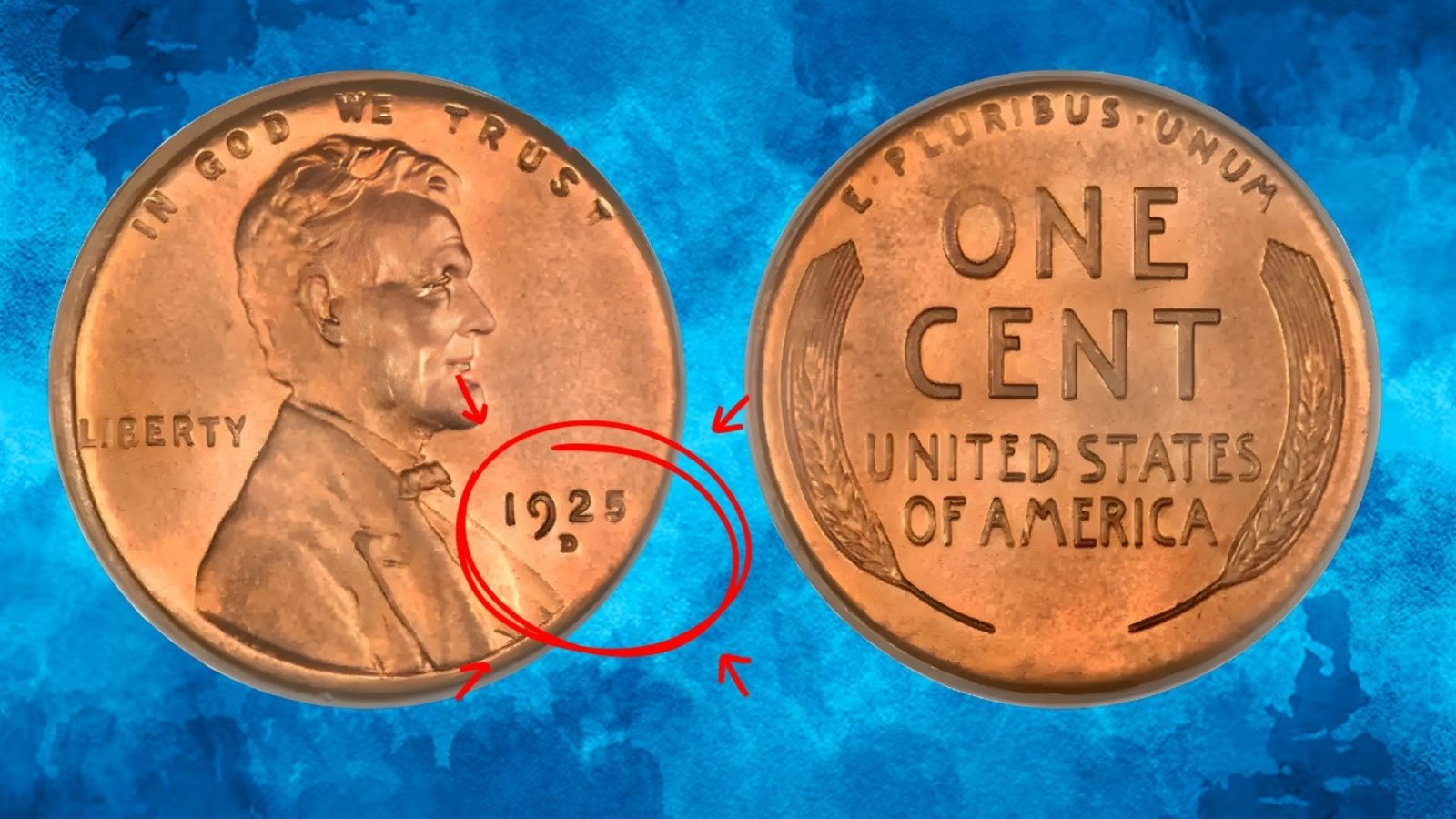
Ever emptied your change jar and wondered if a small copper coin could hide a secret fortune? Wheat Cents, minted from 1909 to 1958, are among the most fascinating pieces of American currency — coins that still show up in circulation and sometimes turn out to be worth hundreds or even thousands of dollars. Let’s uncover the mystery behind these rare pennies and why they continue to thrill collectors and treasure hunters today.
What Are Wheat Cents?
The Lincoln Wheat Cent, often called the Wheat Penny, was first minted in 1909 to celebrate Abraham Lincoln’s 100th birthday. It replaced the Indian Head cent and became the first U.S. coin to feature a real person. On the reverse, two simple wheat stalks symbolized prosperity — a humble yet historic design that now holds immense nostalgic and collectible value.
A Brief History of the Wheat Cent
From 1909 to 1958, over 25 billion Wheat Cents were produced, mostly from copper. Designed by Victor David Brenner, the coin featured his initials “VDB”, sparking early controversy. The first batch, the 1909-S VDB, became one of the most famous and valuable cents in history because the initials were quickly removed after public criticism, making those few coins extremely scarce.
Why Wheat Cents Are So Valuable Today
Wheat Cents aren’t just old — they’re symbols of American history. Their value depends on mint year, mint mark, condition, and rarity. Some versions, like the 1943 Copper Cent, were accidental errors struck during wartime, making them legendary among collectors. Others, like the 1914-D or 1922 No D, gained fame for being scarce due to minting variations. These tiny coins can fetch thousands at auction.
Most Valuable Wheat Cents and Their Estimated Values
| Coin Name | Mint Year | Key Feature | Estimated Value |
|---|---|---|---|
| 1909-S VDB | 1909 | Rare initials, San Francisco mint | $700–$2,500+ |
| 1914-D Lincoln Cent | 1914 | Low Denver mintage | $300–$5,000+ |
| 1922 No D Cent | 1922 | Missing mint mark error | $500–$1,000+ |
| 1943 Copper Cent | 1943 | Struck in copper during steel year | $100,000+ |
| 1955 Doubled Die Cent | 1955 | Doubled lettering and date | $1,000–$15,000 |
| 1931-S Lincoln Cent | 1931 | Depression-era scarcity | $100–$200+ |
How to Spot a Rare Wheat Cent
Collectors often find treasures where others see pocket change. Look closely for mint marks (small letters under the date): “S” for San Francisco, “D” for Denver, and no mark for Philadelphia. Pay attention to details — doubled letters, weak strikes, or missing marks may indicate a valuable error coin. Condition matters too; even a small scratch can impact price.
Quick Guide – Wheat Cent Identification
| Feature | Common Wheat Cents | Rare Wheat Cents |
|---|---|---|
| Mint Mark | Philadelphia (no mark) | “S” or “D” on early years |
| Color | Brown / Red-Brown | Full Red preferred |
| Errors | Minor misprints | Doubled die, missing mint mark |
| Material | Copper (mostly) | 1943 Copper or Steel mix |
| Value Range | $0.05–$1 | $100–$100,000+ |
Insider Collector Tips
- Preserve condition — Handle coins by the edges to prevent fingerprints.
- Use magnification — Hidden minting details often reveal true rarity.
- Check rolls of pennies — Wheat Cents still appear in bank rolls occasionally.
- Get certification — Coins graded by PCGS or NGC command higher resale prices.
- Watch for counterfeits — Rare coins attract fakes; authentication is key.
FAQs About Wheat Cents

Q: Can Wheat Cents still be found in circulation?
A: Yes! Though rare, Wheat Cents occasionally show up in spare change or old coin jars.
Q: Are all Wheat Cents valuable?
A: No, but certain years, mint marks, and conditions significantly boost their worth.
Q: What’s the rarest Wheat Cent?
A: The 1943 Copper Cent is among the rarest, with only a handful known to exist.

Q: How can I sell my Wheat Cents?
A: Trusted auction houses, certified dealers, or coin shows are the best options.
Conclusion: Hidden Treasures in Everyday Change
Next time you find a Wheat Cent, don’t dismiss it as just another old penny. Each coin carries a story — from wartime mistakes to minting mysteries. Whether it’s the legendary 1909-S VDB or a humble 1950 coin, you might just be holding a piece of American history worth far more than one cent. Keep your eyes open — fortune often hides in plain sight.