
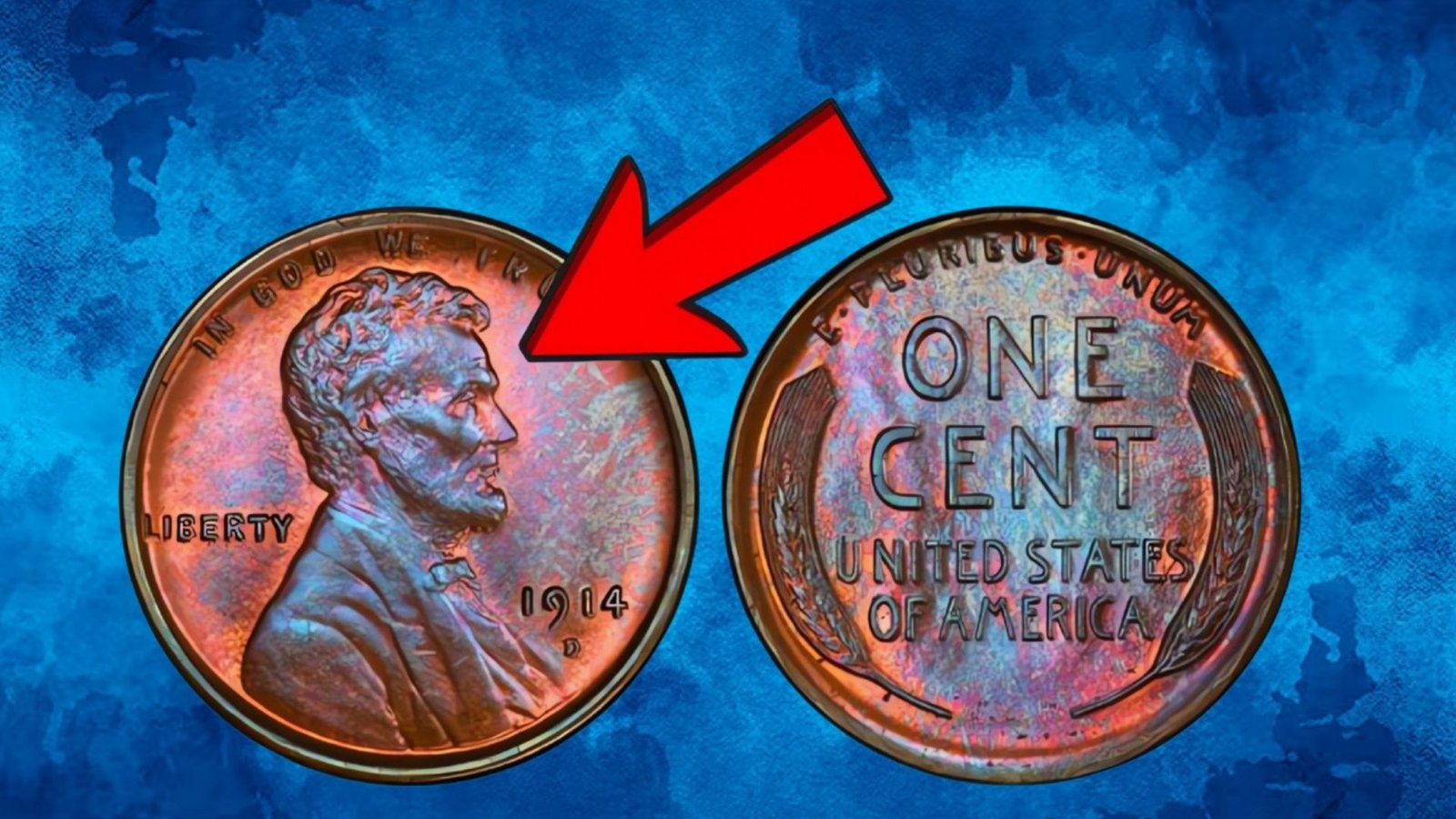
Imagine finding a penny worth $32,300 lying unnoticed in your change jar. Sounds unbelievable, right? Yet coin collectors say one such Lincoln Wheat Penny could still be out there — and it might even be in your pocket. Let’s dive into the fascinating story of how a humble one-cent coin became one of America’s most sought-after collectibles.
What Is the $32,300 Lincoln Wheat Penny?
The Lincoln Wheat Penny, minted from 1909 to 1958, is one of the most iconic coins in US history. The rare version worth over $32,000 isn’t your typical penny — it’s an error coin or a rare date version, such as the 1943 copper penny or 1909-S VDB. These coins were accidentally or intentionally minted in extremely limited quantities, turning them into collector gold.
A Brief History Behind the Wheat Penny
Introduced in 1909 to commemorate Abraham Lincoln’s 100th birthday, the Wheat Cent featured the president’s profile on the front and two wheat stalks on the back. Designer Victor David Brenner’s initials (VDB) caused controversy, leading to the removal of “VDB” from the coin that same year. Ironically, that change created one of the most famous rarities — the 1909-S VDB Wheat Penny.
Why This Penny Is So Valuable
Not all Wheat Pennies are valuable, but certain ones command staggering prices due to rarity, minting errors, and historical quirks. The 1943 Copper Penny is one of the biggest mysteries — a few were mistakenly struck in bronze instead of zinc-coated steel during WWII when copper was reserved for ammunition. Today, these coins are worth tens of thousands of dollars because of their sheer rarity.
Top Rare Lincoln Wheat Pennies and Their Value
| Coin Type | Year | Mint Mark | Estimated Value | Reason for Rarity |
|---|---|---|---|---|
| 1943 Copper Penny | 1943 | No/S/D | $85,000–$1,000,000 | Struck in copper by mistake |
| 1909-S VDB Wheat Cent | 1909 | S | $700–$3,000+ | Low mintage and design controversy |
| 1922 No D Wheat Penny | 1922 | None | $500–$15,000 | Die error from Denver Mint |
| 1955 Doubled Die Cent | 1955 | P | $1,000–$15,000 | Doubled lettering error |
| 1931-S Wheat Penny | 1931 | S | $100–$1,000+ | Low mintage during Depression |
Key Wheat Penny Characteristics
| Feature | Regular Wheat Penny | Rare/Valuable Varieties |
|---|---|---|
| Metal Composition | Bronze (95% copper) | Copper/Steel anomalies |
| Mint Marks | P, D, S | S (San Francisco) key issues |
| Production Years | 1909–1958 | 1909-S, 1943, 1955 key years |
| Reverse Design | Two wheat stalks | Variations and early VDB mark |
How to Know If You Have One
Start by checking the year and mint mark on your pennies. Use a magnifying glass to inspect for mint errors, doubled letters, or unusual color tones (especially bronze on 1943 coins). A true 1943 copper penny won’t stick to a magnet. If yours doesn’t, you might be holding a fortune.
Expert Tips for Coin Collectors
- Get It Verified: Before selling, have your coin authenticated by grading services like PCGS or NGC.
- Preserve Condition: Store your coins in acid-free holders to prevent oxidation.
- Watch the Market: Prices fluctuate — sometimes a coin’s value can double in just a few years.
- Don’t Clean It: Cleaning can destroy a coin’s value; collectors prefer natural patina.
Notable Facts About Wheat Pennies
- The 1909-S VDB had a mintage of just 484,000 coins — among the lowest in US cent history.
- A 1943 Bronze Wheat Penny once sold for over $200,000 at auction.
- Some 1944 Steel Cents, also minting errors, have fetched over $50,000.
FAQs

Q: Are all Wheat Pennies valuable?
A: No, most are worth only a few cents, but specific years and errors are worth thousands.
Q: How can I sell a rare penny?
A: Through coin dealers, online auctions, or certified grading platforms.
Q: Can modern pennies be rare too?
A: Yes, newer mint errors and low-mintage coins can also fetch high values.
Conclusion: Could You Have the $32,300 Penny?

Every coin jar tells a story — and one might hold a hidden gem worth $32,300 or more. From the 1909-S VDB to the legendary 1943 Copper Penny, these coins connect everyday Americans to history and fortune. So before you spend that old penny, take a closer look — you might just be holding a small piece of history worth a life-changing sum.