
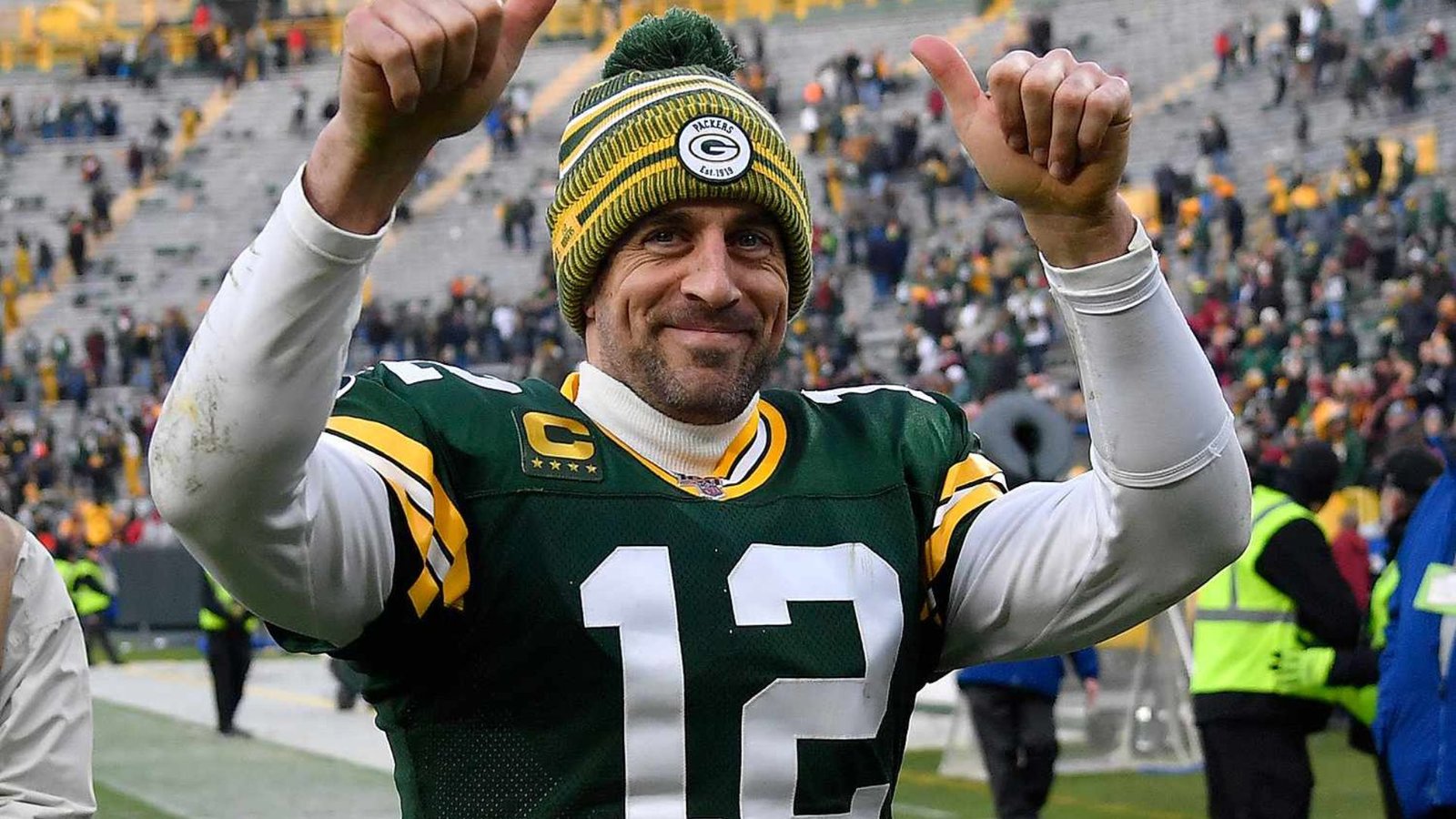
In a move that sends shockwaves through the NFL, star quarterback Aaron Rodgers has officially inked a $150 million contract extension with the Green Bay Packers. The massive deal solidifies Rodgers’ position as one of the highest-paid players in football history and signals the team’s commitment to chasing another Super Bowl before the future Hall of Famer hangs up his cleats.
How Did the Record-Breaking Deal Come Together?
Negotiations between Rodgers and the Packers reportedly intensified over recent weeks, with both sides eager to reach a long-term resolution before the new season. The contract extension, which spans three years, is structured to give Rodgers both security and flexibility while offering the Packers some cap relief in the near term. Sources close to the team describe the deal as “mutually beneficial,” ensuring the 41-year-old quarterback remains the face of the franchise for the foreseeable future.

This extension marks yet another chapter in Rodgers’ storied tenure with Green Bay, a relationship that has had its share of ups and downs. After previous seasons filled with uncertainty about his future and trade rumors linking him to other teams, the signing puts all speculation to rest—at least for now.
What Does $150 Million Mean for the Packers’ Salary Cap?
The $150 million figure is jaw-dropping, but the contract’s structure is just as crucial. Much of the deal reportedly includes guaranteed money and signing bonuses spread over multiple years to manage salary cap impact. The Packers’ front office has crafted the contract to ensure the team retains financial flexibility to build around Rodgers.
However, that doesn’t mean the road ahead is easy. With such a massive investment in their star quarterback, the Packers will need to make tough decisions elsewhere on the roster. Role players, defensive stalwarts, and key offensive pieces may face renegotiations or departures to balance the books.
Why Did Rodgers Choose to Stay in Green Bay?

For years, Rodgers’ relationship with the Packers organization has been a roller coaster. From public disagreements with management to off-season speculation about retirement or relocation, few would have predicted such a major extension. Yet, by staying in Green Bay, Rodgers is signaling trust in the franchise’s vision and a personal desire to finish his career where it all began.
“I still have that fire to compete and win championships,” Rodgers said during a brief statement at Lambeau Field. “This team, this city, and these fans mean the world to me. I’m not done yet.” His words were met with roaring applause from fans who have watched him carry the franchise for nearly two decades.
Can Rodgers Still Deliver Another Super Bowl?
That’s the million—or rather, $150 million—dollar question. Rodgers remains one of the most talented quarterbacks in the league, boasting precision passing, unmatched field vision, and veteran leadership. But as he enters the later stages of his career, critics question whether the Packers have surrounded him with enough talent to make another deep playoff run.

Green Bay’s recent postseason exits have left fans frustrated, often blaming a lack of offensive weapons or defensive breakdowns. With Rodgers now secured, the focus shifts to whether the front office can reinforce the roster through smart drafting and savvy free-agent moves.
What Does This Mean for Jordan Love and the Future?
The extension likely reshapes the career trajectory of backup quarterback Jordan Love, who was once touted as Rodgers’ successor. With Rodgers locked in for several more seasons, Love’s role becomes uncertain. The Packers might consider trading him to a team seeking a young, developing quarterback, or retain him as an insurance policy.
For Rodgers, the move represents stability; for Love, it raises a new question—how long can a promising young QB wait behind a legend still playing at elite levels?
How Are Fans and Analysts Reacting to the Deal?
The reaction across the league has been electric. Packers fans flooded social media celebrating the news, calling it “the best signing of the decade.” Analysts, meanwhile, are divided. Some praise the Packers for locking in a generational talent, while others warn that committing such a large sum to an aging star could limit future roster flexibility.
Financially, however, the move makes sense for a franchise that thrives on consistency and brand loyalty. Rodgers’ jersey remains one of the top sellers in the league, and his presence keeps the Packers firmly in national spotlight conversations.
What’s Next for Rodgers and the Packers?
With the deal sealed, attention turns toward the upcoming season and what Rodgers can accomplish under this new contract. Expectations are sky-high, with fans dreaming of one more championship before the veteran quarterback rides off into retirement.
If Rodgers can maintain his MVP-level play and the team stays healthy, Green Bay remains a legitimate contender in the NFC. The real challenge will be balancing veteran leadership with emerging talent—a mix that could define the next chapter of Packers football.
The Legacy Continues
By committing to this record-breaking extension, Aaron Rodgers has made it clear: he’s not ready to pass the torch just yet. His bond with the Packers endures, his competitive spirit burns bright, and his eyes remain fixed on the prize that has eluded him since 2011—a second Super Bowl ring. For Green Bay, the message is just as strong: as long as No. 12 is under center, the dream is alive.