
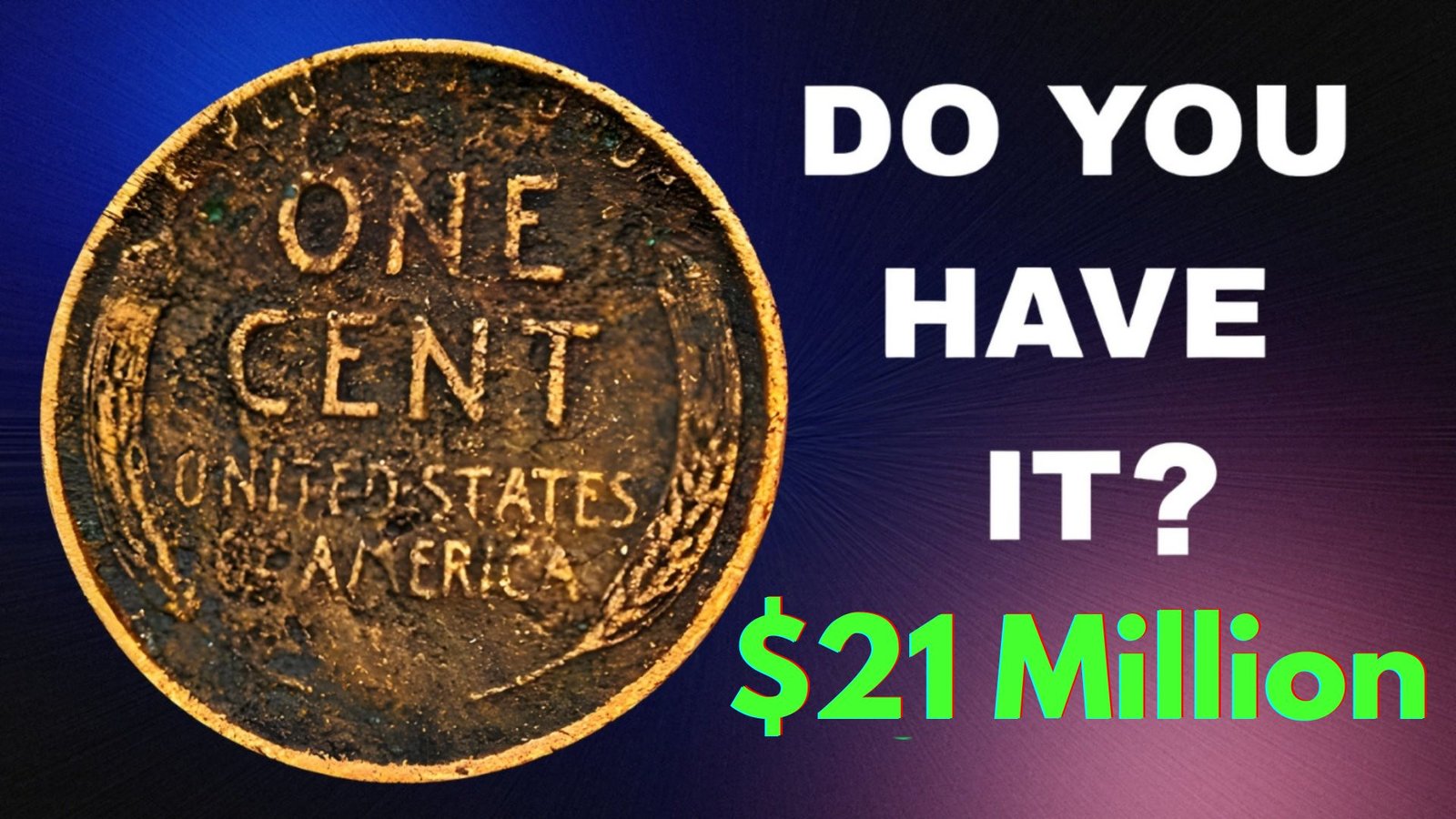
If you’ve ever found an old Wheat Penny hiding in your change jar, you might have wondered if it’s worth anything today. What once seemed like just a piece of old copper has turned into one of the most surprising stories in American coin collecting. Over the past decade, the value of Wheat Pennies has quietly evolved — and for many collectors, it’s been nothing short of a revelation.
What Exactly Are Wheat Pennies?
The Wheat Penny, officially known as the Lincoln Wheat Cent, was first minted in 1909 to celebrate Abraham Lincoln’s 100th birthday. It features two stalks of wheat on the reverse, symbolizing prosperity and growth. These coins were minted until 1958, when the design changed to the Lincoln Memorial.
A Brief History of Their Value

For years, Wheat Pennies were seen as little more than pocket change. You could buy them in bulk for just a few cents each. But as collectors began appreciating their historical value and scarcity, prices started to shift. Rare varieties, such as the 1909-S VDB, 1914-D, and 1943 Copper Penny, skyrocketed in value, setting record sales at auctions.
Wheat Penny Value Trends (2015–2025)
In the last decade, Wheat Penny prices have surged, thanks to increased collector interest, YouTube coin channels, and a renewed fascination with American history. Even common-date coins have appreciated modestly. Below is a look at how values have changed.
Average Wheat Penny Value Growth (2015–2025)
| Coin Condition | 2015 Average Value | 2020 Average Value | 2025 Average Value | % Increase |
|---|---|---|---|---|
| Common Circulated (1940–1958) | $0.05 | $0.10 | $0.20 | 300% |
| Uncirculated (Common Dates) | $0.50 | $1.25 | $2.50 | 400% |
| Key Dates (1909-S VDB, 1914-D) | $400 | $750 | $1,200+ | 200%+ |
| 1943 Copper Penny | $200,000 | $250,000 | $400,000+ | 100% |
| This steady climb shows that even the simplest Wheat Penny has outperformed expectations, especially for collectors who held onto high-grade examples. |
Why Are Wheat Pennies Gaining Value?
Several key factors have driven up prices in recent years:
- Rarity and condition: Uncirculated or key-date coins are extremely scarce.
- Increased public awareness: Social media and online coin forums have spotlighted coin collecting again.
- Metal content: Made mostly of copper, these coins gained intrinsic value when copper prices rose.
- Generational interest: Younger collectors are joining the hobby, raising demand for older coins.
Comparing Key Wheat Pennies by Value
Most Valuable Wheat Pennies (2025 Market)
| Year & Mint Mark | Special Feature | Estimated Value (2025) |
|---|---|---|
| 1909-S VDB | Designer initials, low mintage | $1,200–$2,000 |
| 1914-D | Scarce Denver Mint issue | $1,500–$3,000 |
| 1922 No D | Missing mintmark error | $500–$1,200 |
| 1943 Copper | Minted on copper planchet | $400,000+ |
| 1955 Doubled Die | Strong doubling on date | $2,000–$15,000 |
| These coins have become legends in the numismatic world — treasures hiding in plain sight. |
Expert Tips for Collectors

If you’re serious about collecting Wheat Pennies, consider these expert insights:
- Check the mintmark carefully. Coins from Denver (D) or San Francisco (S) are often rarer.
- Condition is everything. Even small scratches can drastically reduce value.
- Get coins graded. Certification from PCGS or NGC increases trust and resale potential.
- Store properly. Use coin flips or albums to prevent corrosion.
Interesting Facts About Wheat Pennies
- The 1909-S VDB had only 484,000 coins minted, making it one of the rarest in the series.
- The 1943 Copper Penny was a minting error during WWII, when steel was used instead of copper.
- Some Wheat Pennies have sold for more than a new car at auction.
FAQs About Wheat Pennies
Q: Are all Wheat Pennies valuable?
A: Not all, but even common ones hold sentimental and collector value. Rare dates or pristine condition examples are worth much more.
Q: Where can I sell Wheat Pennies?
A: Online marketplaces like eBay, coin shows, or certified dealers are the best options.

Q: How can I tell if my 1943 penny is copper?
A: Test with a magnet. If it doesn’t stick, it could be a copper penny — extremely rare and valuable.
Conclusion: The Hidden Power of a Penny
The Wheat Penny’s changing value over the past decade proves one thing — history never loses its worth. What started as everyday currency has become a symbol of America’s economic and cultural story. Whether you’re a seasoned collector or a curious beginner, one thing is certain: those old pennies might just be worth a second look.