
For over a century, the Lincoln Wheat Penny has fascinated collectors and treasure hunters alike. Once just a common coin in circulation, it’s now a symbol of hidden fortune. But in the past decade, its value has quietly transformed, leaving many wondering: could a simple penny still hold the power to change someone’s luck?
What Is the Lincoln Wheat Penny?
The Lincoln Wheat Penny, first minted in 1909, features Abraham Lincoln’s portrait on the front and wheat stalks on the reverse — a design that marked a bold shift in US coinage. It was the first coin to depict a real person and quickly became an American favorite. Collectors now see it not just as currency, but as a piece of national history.
A Brief History and Its Evolution

Minted between 1909 and 1958, the Wheat Penny came in various compositions — mainly 95% copper with traces of tin and zinc. During World War II, however, a shortage of copper led to the creation of the 1943 steel penny, one of the most famous coin errors in US history. Over the past ten years, renewed interest in coin collecting and the rising price of copper have steadily driven up the coin’s value.
The Rise in Value Over the Past Decade
Between 2015 and 2025, the average price of Lincoln Wheat Pennies in collectible condition has climbed significantly. Even common dates that once sold for a few cents now trade for $0.20–$1, while rare mint errors and key dates can command hundreds or thousands.
Value Comparison (2015–2025)
| Year | Common Date Avg. Value | Key Date Avg. Value | Rare Varieties (Errors) |
|---|---|---|---|
| 2015 | $0.05 – $0.15 | $10 – $75 | $200 – $1,500 |
| 2018 | $0.10 – $0.25 | $25 – $100 | $300 – $2,000 |
| 2021 | $0.15 – $0.50 | $40 – $125 | $400 – $2,500 |
| 2025 | $0.20 – $1.00 | $60 – $150 | $500 – $3,000+ |
| These numbers highlight how steady appreciation has made the Wheat Penny a favorite among new and seasoned collectors alike. |
Why Collectors Are Obsessed with the Wheat Penny
The Wheat Penny’s charm lies in its combination of nostalgia, design, and rarity. Many collectors started their hobby by finding one in spare change. But today, with only limited quantities left in circulation, the hunt feels like a modern treasure chase. Its investment potential also plays a key role — copper values, historic relevance, and collector demand keep pushing prices upward.
Key Dates and Varieties Worth Noting
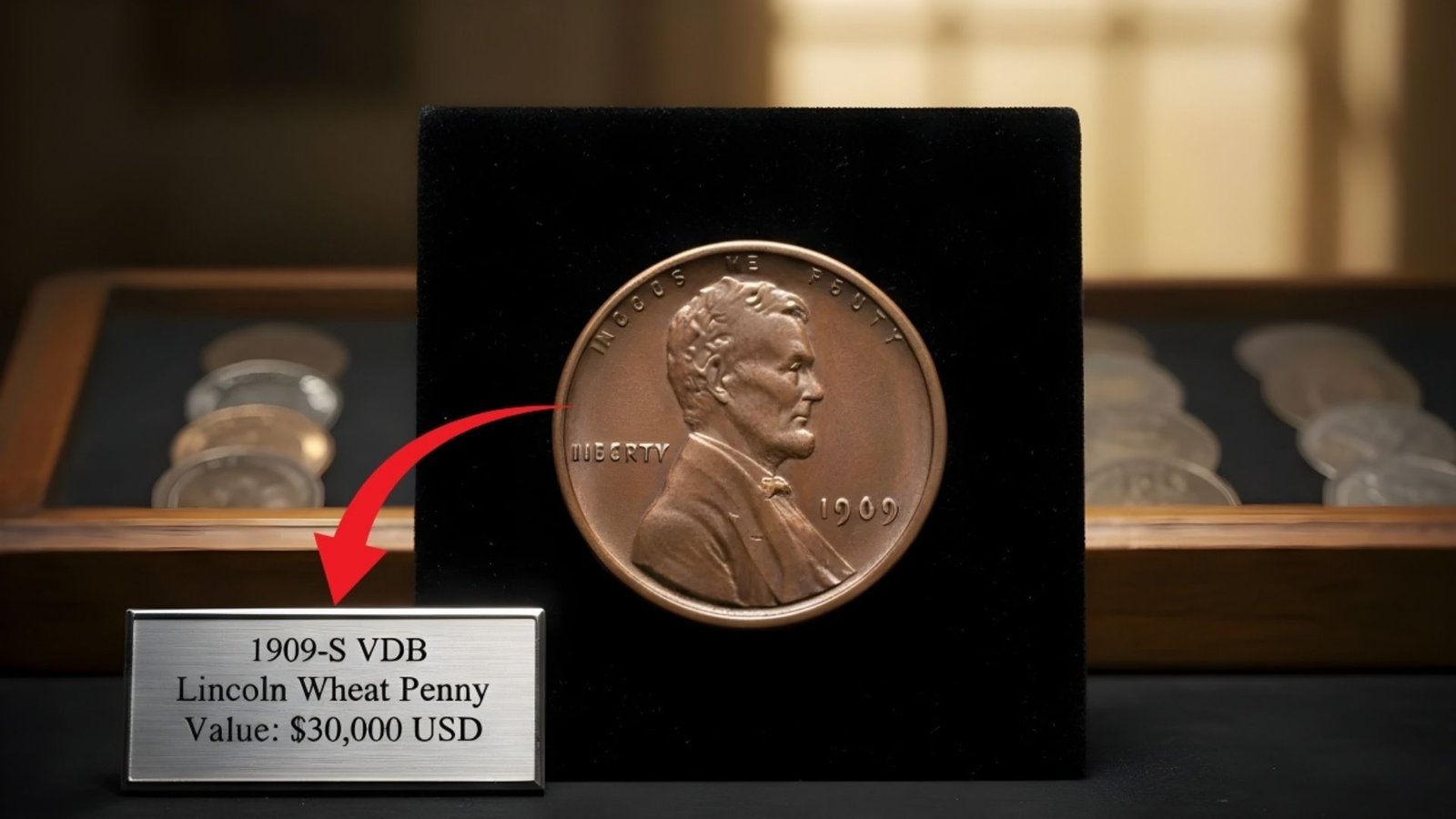
1. 1909-S VDB

The Holy Grail of Wheat Pennies, with fewer than 500,000 minted. Values range from $800–$2,000+ depending on grade.
2. 1914-D
A Denver mint issue that remains one of the toughest to find in high condition. Worth $300–$2,500.
3. 1943 Bronze Penny
A rare error where some coins were mistakenly struck in bronze instead of steel. Worth $100,000+.
4. 1922 No D Penny

A famous minting error from Denver missing its mintmark. Sells for $500–$1,200.
5. 1955 Doubled Die Penny
One of the most recognized error coins in US history. Values range from $1,000–$15,000+ depending on clarity.
Rarity and Market Value Guide
| Coin Variety | Mint Year | Mintage | Estimated Current Value |
|---|---|---|---|
| 1909-S VDB | 1909 | 484,000 | $800–$2,000+ |
| 1914-D | 1914 | 1,193,000 | $300–$2,500 |
| 1943 Bronze | 1943 | <20 | $100,000+ |
| 1922 No D | 1922 | Unknown | $500–$1,200 |
| 1955 Doubled Die | 1955 | Unknown | $1,000–$15,000+ |
Expert Tips: How to Identify Valuable Wheat Pennies
- Check Mint Marks: Look for small letters below the date — “S” (San Francisco) and “D” (Denver) often mean rarity.
- Inspect for Errors: Doubled dates, missing letters, or off-center strikes can boost value dramatically.
- Condition is Everything: Coins graded MS (Mint State) or with original luster command premium prices.
- Get Certified: Have coins graded by NGC or PCGS for authenticity and better resale value.
The Hidden Potential for Modern Collectors
In the last 10 years, many collectors have treated the Lincoln Wheat Penny as a stepping stone — small investments turning into big wins. Some hobbyists who started with penny rolls found rare varieties now worth thousands. The emotional value of finding history in your hand only adds to its magic.
FAQs About Lincoln Wheat Pennies
Q: Are all Wheat Pennies valuable?
A: Not all, but every coin tells a story. Key dates and rare errors are the real prizes.
Q: How can I sell my Wheat Pennies?
A: Try local coin dealers, online auctions, or coin shows. Certification increases trust.
Q: Will the value rise further?
A: Experts believe Wheat Penny values will continue to grow as demand increases and supplies dwindle.
Conclusion: The Penny That Defined Generations
The Lincoln Wheat Penny isn’t just a piece of metal — it’s a time capsule. Over the past decade, its value has risen steadily, proving that even a humble coin can hold a powerful legacy. Whether you’re a new collector or an investor chasing historical treasures, the Wheat Penny is where every coin dream begins.