
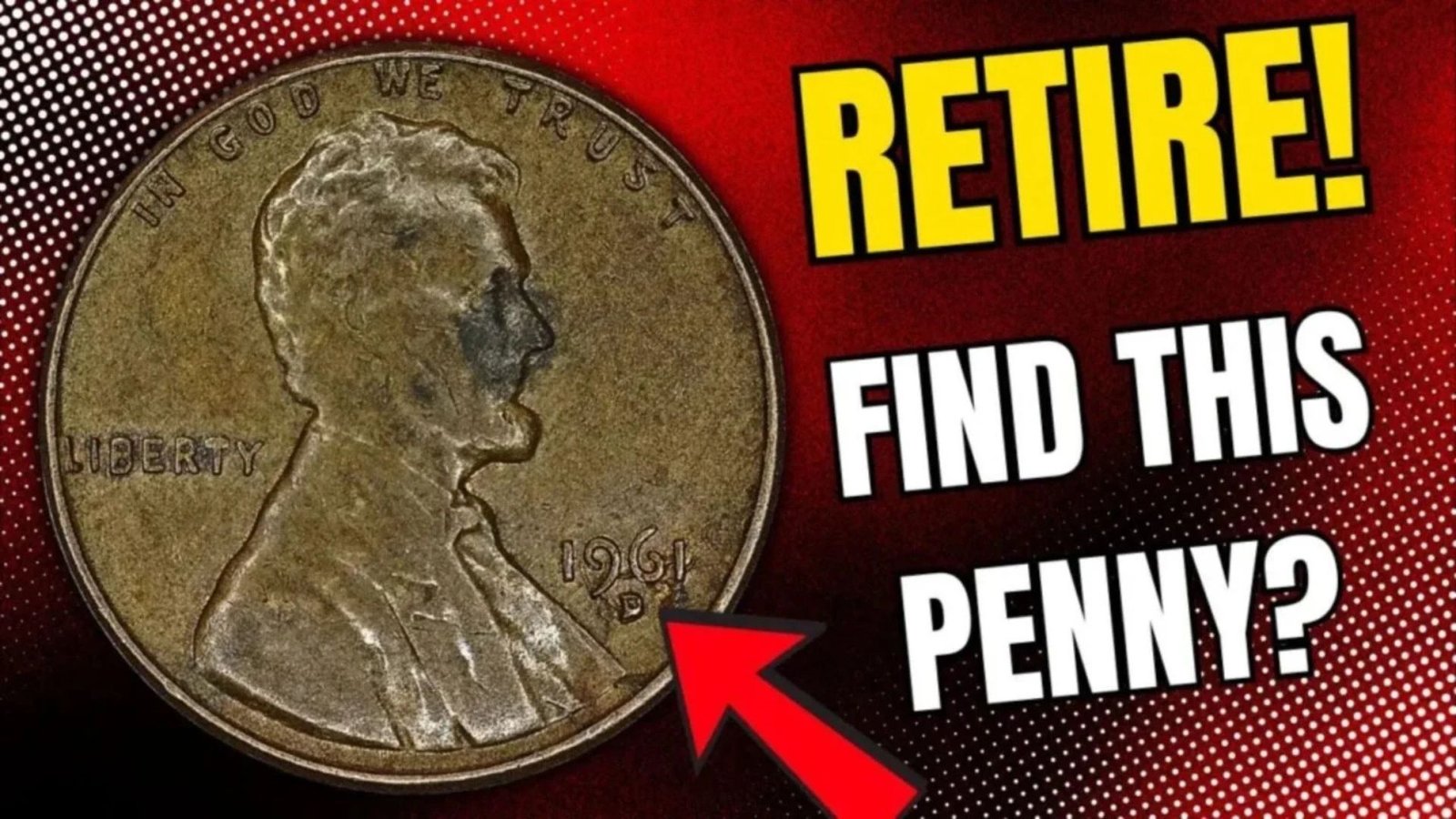
Have you ever wondered if a simple penny in your pocket could be worth a fortune? The Lincoln Wheat Penny, a small coin with a big history, has some rare versions that collectors are willing to pay millions for. One such penny sold for a staggering $1.6 million! Could one of these treasures be hiding in your loose change? In this article, we’ll explore the fascinating story of the Lincoln Wheat Penny, its rare varieties, and how you can spot one. Let’s dive in and uncover the secrets of this iconic coin in simple, easy-to-understand words.
What Is the Lincoln Wheat Penny?
The Lincoln Wheat Penny is a U.S. one-cent coin minted from 1909 to 1958. It was designed by Victor David Brenner to honor President Abraham Lincoln’s 100th birthday. The front (obverse) of the coin features Lincoln’s portrait, while the back (reverse) shows two wheat stalks, giving it the nickname “Wheat Penny.” While most of these pennies are worth just a cent, some rare ones are incredibly valuable due to unique errors or limited minting.
Why Are Some Wheat Pennies Worth Millions?

Certain Lincoln Wheat Pennies are rare because of mistakes made during their production or because they were made in very small numbers. These factors make them highly sought after by collectors. For example, a 1943 bronze Wheat Penny sold for $1.6 million because it was accidentally made with bronze instead of the steel used during World War II. Below, we’ll look at the key reasons some pennies are worth a fortune.
H3: Key Factors That Make a Wheat Penny Valuable
- Minting Errors: Mistakes like using the wrong metal or double-stamping the design can make a penny rare.
- Low Production: Some years or mints produced very few pennies, increasing their value.
- Condition: Pennies in excellent condition (called “mint condition”) are worth more.
- Historical Significance: Coins from certain years, like 1943, are tied to unique historical events.
The Most Valuable Lincoln Wheat Pennies
Here’s a look at some of the rarest and most valuable Lincoln Wheat Pennies that could be hiding in your change. These coins have fetched huge sums at auctions, and finding one could change your life!
| Year | Mint Mark | Description | Estimated Value |
|---|---|---|---|
| 1943 | None (Philadelphia) | Bronze Penny (mint error) | Up to $1.6 million |
| 1943-S | San Francisco | Bronze Penny (mint error) | $500,000–$1 million |
| 1909-S | San Francisco | VDB Initials (limited minting) | $100,000–$600,000 |
| 1955 | None (Philadelphia) | Doubled Die Obverse | $20,000–$100,000 |
| 1969-S | San Francisco | Doubled Die Obverse | $25,000–$100,000 |
The 1943 Bronze Penny – A Million-Dollar Mistake
During World War II, the U.S. Mint switched to making pennies from steel to save copper for the war effort. However, a few pennies were accidentally struck in bronze in 1943, making them extremely rare. One of these sold for $1.6 million at an auction! If you find a 1943 penny that’s not silver-colored, it could be a bronze error worth a fortune.
The 1909-S VDB Penny

The 1909-S VDB penny is another gem. It was the first year of the Lincoln Wheat Penny, and only a small number were minted in San Francisco (marked with an “S”). The “VDB” refers to the designer’s initials on the back. These pennies can be worth hundreds of thousands of dollars in good condition.
The 1955 and 1969-S Doubled Die Pennies
These pennies have a “doubled” appearance in the lettering or date due to a minting error. The doubling is visible to the naked eye, making these coins stand out. They can fetch tens of thousands of dollars, depending on their condition.
How to Spot a Valuable Lincoln Wheat Penny
You don’t need to be a coin expert to find a valuable Lincoln Wheat Penny. Here’s a simple guide to help you check your change:
- Check the Year: Look for key years like 1943, 1909, 1955, or 1969.
- Look for Mint Marks: A small letter like “S” (San Francisco) or “D” (Denver) under the year can indicate rarity. No letter means it was minted in Philadelphia.
- Inspect the Material: For 1943 pennies, use a magnet. If it doesn’t stick, it might be a rare bronze penny.
- Examine for Errors: Look for doubled letters or numbers, especially on 1955 or 1969-S pennies.
- Check the Condition: Coins with clear details and minimal wear are worth more.
Tools You’ll Need
- A magnifying glass to check for doubling or small details.
- A magnet to test 1943 pennies (steel pennies stick; bronze ones don’t).
- A coin guidebook or app to compare your penny with known rare varieties.
Where to Find These Valuable Pennies

You might be wondering, “Where can I find these million-dollar pennies?” The good news is they could be anywhere! Here are some places to look:
- Loose Change: Check your pocket change, piggy banks, or old jars.
- Inherited Collections: Family heirlooms or old coin collections might hold treasures.
- Coin Rolls: Buy rolls of pennies from banks and search through them.
- Flea Markets or Garage Sales: Old coins often show up in unexpected places.
What to Do If You Find a Rare Penny
If you think you’ve found a valuable Lincoln Wheat Penny, don’t clean it! Cleaning can lower its value. Instead, follow these steps:
- Store It Safely: Keep the penny in a protective holder to avoid damage.
- Get It Appraised: Take it to a professional coin dealer or grading service like PCGS or NGC.
- Research Auction Houses: If it’s valuable, auction houses like Heritage Auctions can help you sell it.
- Verify Authenticity: Some pennies are fakes, so professional grading is crucial.
Why Collectors Love the Lincoln Wheat Penny
The Lincoln Wheat Penny isn’t just about money—it’s a piece of American history. These coins were minted during major events like the Great Depression and World War II. Their classic design and the thrill of finding a rare one make them a favorite among collectors. Plus, the idea that a simple penny could be worth millions adds excitement to the hunt!
Tips to Start Your Coin-Hunting Journey
Ready to search for your own million-dollar Lincoln Wheat Penny? Here are some beginner-friendly tips:
- Learn the Basics: Read about coin collecting or join online forums like CoinTalk.
- Start Small: Begin with loose change or affordable coin rolls from your bank.
- Be Patient: Finding a rare penny takes time, but the payoff could be huge.
- Connect with Experts: Local coin shops or clubs can offer advice and resources.
Could Your Pocket Change Make You Rich?
The Lincoln Wheat Penny proves that small things can have big value. With rare versions selling for up to $1.6 million, it’s worth taking a closer look at your loose change. By checking the year, mint mark, and condition, you might uncover a hidden treasure. So, grab a magnifying glass, start searching, and who knows? Your next penny could make you a millionaire!