
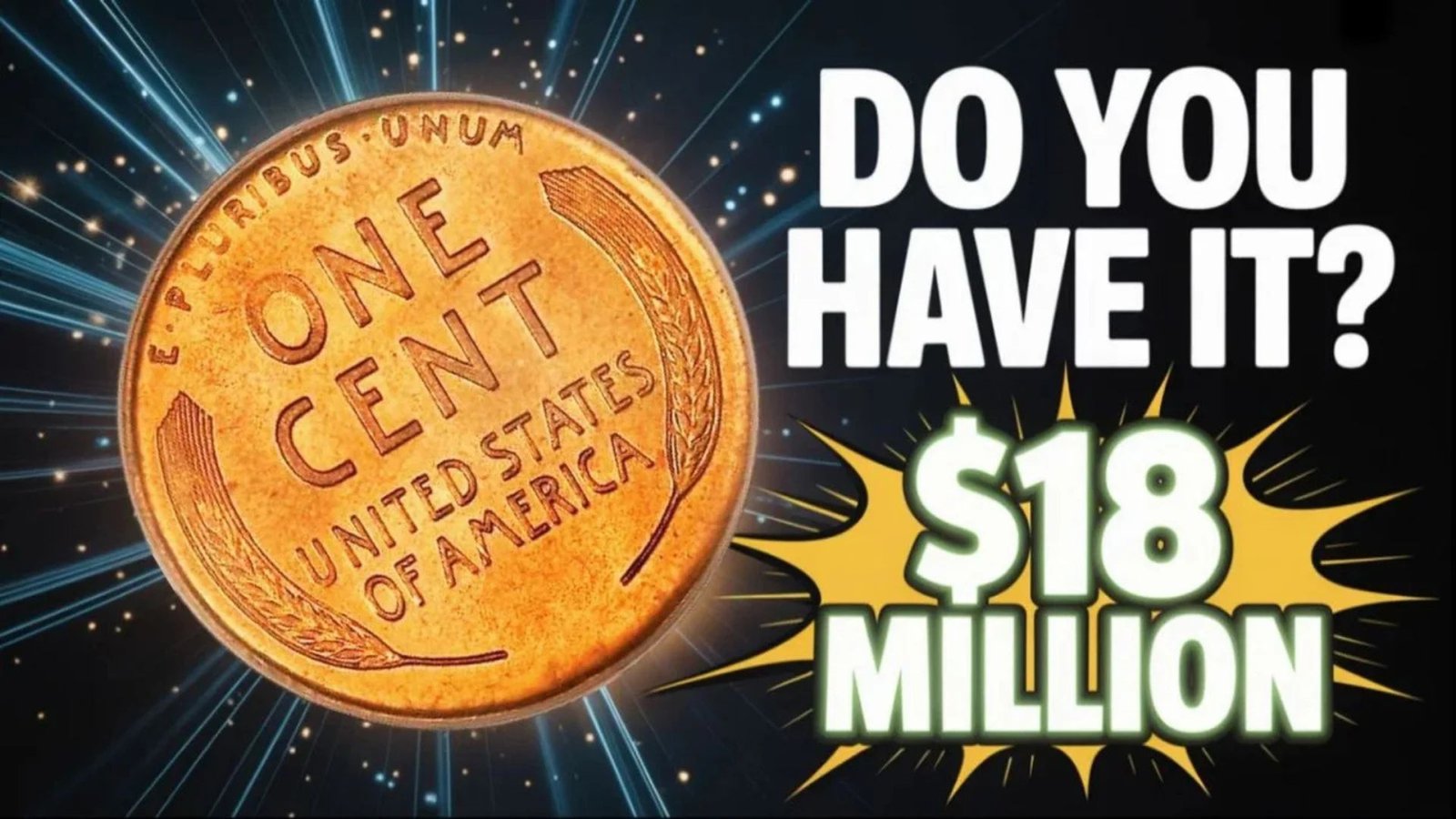
Hidden inside old jars, drawers, or family albums, Wheat Pennies have turned from everyday coins into treasures that surprise even seasoned collectors. Over the last decade, their value has shifted dramatically, with certain dates fetching small fortunes. This guide uncovers how the value of Wheat Pennies evolved in the past ten years—and why your spare change might be worth more than you think.
What Are Wheat Pennies?
Wheat Pennies, officially known as Lincoln Wheat Cents, were minted between 1909 and 1958. The design, featuring two wheat stalks on the reverse side, symbolizes prosperity and growth. Today, these coins are prized for their vintage charm, copper composition, and scarcity—especially in higher grades.
A Brief History of Wheat Pennies

The Lincoln Wheat Penny was introduced in 1909 to celebrate Abraham Lincoln’s 100th birthday. It was the first U.S. coin to feature a real person’s portrait. Designer Victor D. Brenner created the now-iconic “V.D.B.” initials, which appeared briefly before being removed due to public controversy. The Wheat Penny circulated for nearly half a century before being replaced by the Lincoln Memorial design in 1959.
Why Wheat Pennies Have Gained Value
In the last decade, collectors have seen Wheat Penny prices rise steadily. This growth comes from three main factors: increasing collector interest, limited surviving high-quality specimens, and the metal value of older copper coins. For instance, a 1943 copper penny sold for $1.7 million, and even common dates in mint condition now attract serious bids.
Average Wheat Penny Value Growth (2014–2024)
| Year | Average Circulated Value | Average Uncirculated Value | Rarest Sale Reported |
|---|---|---|---|
| 2014 | $0.05 – $1.00 | $5 – $50 | $1,200,000 |
| 2016 | $0.10 – $1.25 | $8 – $75 | $1,350,000 |
| 2018 | $0.15 – $1.50 | $10 – $100 | $1,500,000 |
| 2020 | $0.20 – $2.00 | $12 – $125 | $1,700,000 |
| 2024 | $0.25 – $3.00 | $15 – $150 | $1,750,000 |
Which Wheat Pennies Are the Most Valuable?
1. 1909-S V.D.B. Wheat Penny
Highly sought after for its rarity and connection to the coin’s debut year. Value: $800 – $1,500 (depending on condition).
2. 1914-D Wheat Penny

A scarce Denver mint issue with very low mintage. Value: $250 – $2,000+
3. 1922 No D Wheat Penny
A minting error with the “D” mint mark missing—one of the most famous Wheat Penny varieties. Value: $400 – $1,500
4. 1943 Copper Wheat Penny
Most 1943 cents were made of steel due to the war effort. A few struck in copper by mistake are worth fortunes. Value: $100,000 – $1.7 million
5. 1955 Doubled Die Wheat Penny

Features a dramatic double image on “LIBERTY” and the date. Value: $1,000 – $15,000+
Comparison of Common vs Rare Wheat Pennies (2024 Market)
| Category | Example Coin | Average Value | Availability |
|---|---|---|---|
| Common Circulated | 1945, 1956 | $0.10 – $0.25 | Easy to find |
| Semi-Rare | 1916-S, 1931-S | $5 – $25 | Moderate |
| Key Date | 1909-S VDB, 1914-D | $500 – $2,000 | Rare |
| Error Coin | 1943 Copper, 1955 Double Die | $10,000 – $1,700,000 | Extremely rare |
Expert Insights: What Collectors Should Know
Numismatic experts suggest that condition and authenticity are the biggest value drivers. Always look for certified coins graded by PCGS or NGC, and avoid cleaning old coins, which reduces their worth. Keeping them in protective holders prevents oxidation, especially for pre-1940 copper cents.
How to Start Collecting Wheat Pennies
If you’re new to collecting, start by checking your spare change or coin rolls. Many enthusiasts begin with common Wheat Pennies before investing in rarer key dates. As interest in classic American coins grows, so does the potential for long-term returns.
Frequently Asked Questions (FAQs)
Q: Can I still find Wheat Pennies in circulation?
A: Yes, but rarely. They occasionally appear in bank rolls or older family coin jars.
Q: Are steel Wheat Pennies valuable?
A: Most 1943 steel cents are worth 10–50 cents, but rare mint errors can reach hundreds.
Q: Should I clean old Wheat Pennies?
A: No. Cleaning can damage the surface and lower collector value.
Conclusion: A Decade of Growing Worth
Over the past ten years, Wheat Pennies have proven they’re more than nostalgic keepsakes—they’re miniature pieces of history with real financial potential. Whether it’s a 1943 copper rarity or a gleaming 1909-S VDB, each coin tells a story of America’s past and the collector’s dream of finding a fortune in their palm.